What Is the Best Fence for Dogs?
Choosing the best fence for dogs depends on more than breed size. At Richmond Exteriors, we look at how your dog behaves, how your yard is laid out, how much privacy you want, and how much maintenance you are willing to handle. A fence that works for a calm senior dog may not be enough for a young jumper, climber, or digger. The right system should give your pet room to enjoy the yard while helping you feel confident that the space is secure.
For homeowners in Indianapolis, IN, that also means choosing a fence that can stand up to rain, humidity, winter freezes, and seasonal ground movement.
Start With Your Dog’s Size and Behavior
The first step is thinking about your dog’s habits. Some dogs stay close to the house and rarely test boundaries. Others are determined escape artists.
For larger dogs or breeds that can jump, a taller privacy fence is usually the safest choice. For smaller dogs, spacing between pickets matters just as much as overall height. Dogs that dig may require extra attention at the bottom of the fence, while climbers may need a smooth surface that gives them less traction.
We recommend thinking about these factors before choosing a style:
- Dog size and jumping ability
- Tendency to dig or climb
- Reactivity to people, pets, or traffic
- Need for visibility or visual separation
- Number of dogs using the yard
A good fence should match the dog you have, not just the look you prefer.
Wood Privacy Fencing Is a Strong All-Around Choice
Wood privacy fencing is one of the most popular options for dog owners because it creates a solid barrier and reduces visual distractions.
That can be especially helpful for dogs that bark at pedestrians, bicycles, delivery drivers, or neighboring pets. A solid fence blocks much of that activity from view, which can help some dogs stay calmer in the yard.
Wood fencing also offers flexibility in height and design. It can be built tall enough for larger dogs and customized with tighter spacing near gates or corners.
The main tradeoff is maintenance. Wood needs periodic staining or sealing, and Indianapolis weather can be tough on untreated boards. Still, for homeowners who want privacy, security, and a classic look, it remains a strong option.
Vinyl Fencing Works Well for Low-Maintenance Privacy
Vinyl is another excellent choice for dog owners, especially those who want a solid fence without the upkeep of wood.
It does not rot, splinter, or need regular staining, and the smooth surface can make it harder for dogs to climb. Solid vinyl panels also provide full visual privacy, which can be useful for reactive dogs or properties close to sidewalks and neighboring yards.
For larger backyards, vinyl can also create a clean, consistent look across long fence runs. The biggest consideration is impact. Very active dogs that repeatedly jump against the fence may put stress on panels, so proper installation matters.
Aluminum Fencing Can Work for Calm Dogs
Aluminum fencing is attractive, durable, and low maintenance, but it is not the right choice for every dog.
Because it is open, dogs can see through it. That can be fine for calm pets, but it may be frustrating for dogs that react strongly to passing people or animals. Spacing between pickets is another important factor, especially for small breeds.
For larger, well-behaved dogs, aluminum can work very well. It provides a secure boundary without closing off views, which can be appealing for homeowners with landscaped yards, pools, or open surroundings.
It also holds up well in Central Indiana weather because it resists rust and requires very little maintenance.
Chain-Link Fencing Is Practical but Less Private
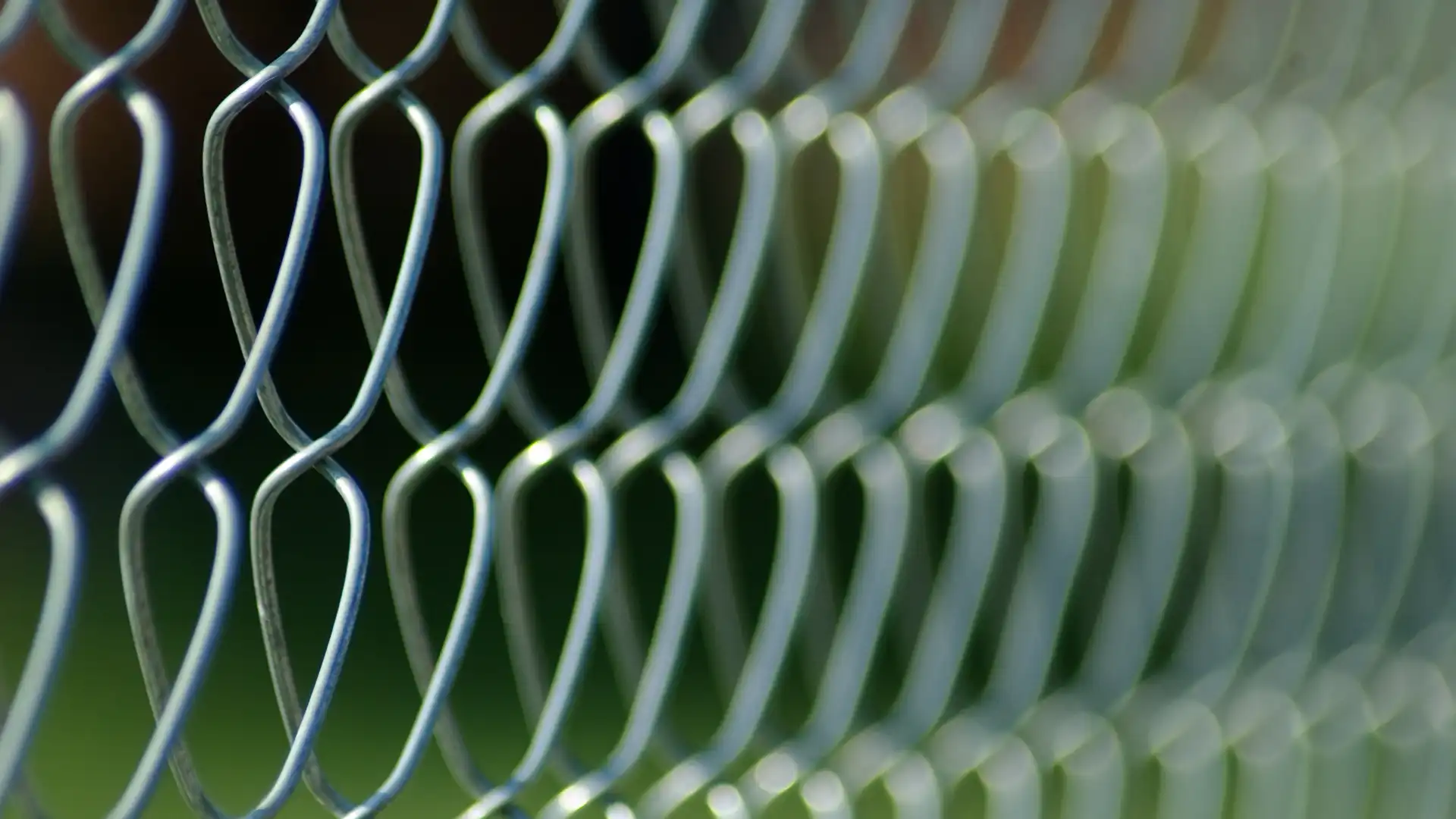
Chain-link fencing is another functional option for pet containment. It is durable, relatively affordable, and can enclose large areas efficiently.
For dogs that simply need a secure boundary, it can be a practical choice. However, like aluminum, chain-link allows full visibility. That can encourage barking or fence-line pacing in reactive dogs.
It can also be easier for certain dogs to climb because of the open mesh pattern. For athletic or determined breeds, a taller or different fencing style may be safer.
Height Matters More Than Many Homeowners Expect
Fence height is one of the most important decisions for dog owners.
A four-foot fence may work perfectly for a small or low-energy dog, while a large or athletic breed may need six feet or more. Dogs can be surprisingly capable jumpers when motivated by another animal, a person, or activity outside the yard.
We always recommend choosing height based on behavior, not just breed reputation. Even dogs that have never jumped before may try if they are excited enough.
Local zoning rules and HOA requirements may also limit fence height, especially in front or side yards, so those restrictions should be reviewed before installation.
Gates Need to Be Just as Secure as the Fence
A fence is only as reliable as its gate.
Loose latches, sagging hinges, or wide gaps can quickly become escape routes. For dog owners, we recommend gates with secure hardware, proper alignment, and openings small enough that pets cannot squeeze through.
Self-closing or self-latching hardware can also add convenience, especially in busy households where children, landscapers, or delivery workers may use the gate.
Gate placement matters too. A gate near a driveway or busy sidewalk may create a higher escape risk than one located in a quieter part of the yard.
Consider Digging Dogs Before Installation
Some dogs do not go over fences. They go under them.
For diggers, the bottom edge of the fence deserves extra attention. Depending on the fence style and soil conditions, the solution may involve setting the fence lower, adding a buried barrier, or reinforcing vulnerable areas near corners and gates.
This can be especially important after heavy rain, when Central Indiana soil becomes softer and easier to dig through.
Privacy Can Make the Yard More Comfortable for Dogs
Privacy fencing is not only about keeping dogs inside. It can also make the yard less stimulating.
Homes in areas like Broad Ripple, Irvington, Franklin Township, and other Indianapolis neighborhoods may sit close to sidewalks, neighboring yards, alleys, or streets. Dogs that see constant movement outside the yard may become anxious or overly reactive.
A solid wood or vinyl fence can reduce those visual triggers and create a calmer environment. For many households, that makes the backyard more enjoyable for both pets and people.
Think About Maintenance and Long-Term Durability
The best fence should still make sense several years from now.
Wood offers flexibility and appearance but needs more maintenance. Vinyl is low maintenance and private. Aluminum is durable and attractive but more open. Chain-link is practical and budget-friendly, though it provides less privacy.
We help homeowners compare not only the upfront cost but also maintenance, expected lifespan, repair needs, and how well each material fits the property.
Which Fence Is Best for Your Dog?
For many dog owners, a 6-foot wood or vinyl privacy fence offers the best combination of containment, privacy, and versatility. For calmer dogs, aluminum or chain-link may work just as well.
The right answer depends on your dog’s behavior, your yard, your budget, and the level of privacy you want.
Plan a Safer Backyard With Richmond Exteriors
Your dog should be able to enjoy the backyard without turning every trip outside into a supervision challenge. Richmond Exteriors installs fencing for Indianapolis-area homeowners who want safer, more functional outdoor spaces.
Schedule a fencing consultation with our team, and we can help you compare heights, materials, gate options, and layouts to find a fence that fits both your property and your dog.