Do You Need a Permit to Build a Fence in Indianapolis?
Planning a new fence usually starts with choosing the material, height, and style, but Indianapolis homeowners should also understand the local rules before installation begins. The good news is that a standard residential fence permit in Indianapolis generally is not required when the fence complies with applicable zoning requirements. That does not mean you can build anything anywhere on the property, however. At Richmond Exteriors, we encourage homeowners to look at zoning, property lines, neighborhood restrictions, and special conditions before the first post goes into the ground.
Understanding those details early can help prevent delays, neighbor disputes, or the expense of moving a fence after installation.
Does Indianapolis Require a Permit for a Standard Residential Fence?
Indianapolis-Marion County rules generally exempt fences and structural barriers from both structural permits and Improvement Location Permits when they comply with zoning requirements.
That is an important distinction. Not needing a traditional permit does not mean the fence is exempt from local regulations. Your project still has to follow rules governing height, materials, placement, visibility, and any special requirements that apply to your property.
Certain projects can also require additional approvals. For example, homes within historic districts may need a Certificate of Appropriateness before exterior changes such as fencing are made.
Because every lot is different, we recommend confirming the rules that apply to your particular property before installation begins.
Fence Height Matters
Height is one of the biggest considerations when planning a fence in Indianapolis.
For many residential properties, fencing in side and rear yards can generally reach up to six feet. Front-yard fencing is more restricted because taller barriers can affect neighborhood character and visibility.
Under Indianapolis zoning standards, front-yard fences are generally limited to 3.5 feet, although fences with sufficiently open designs may be allowed to reach four feet. Special exceptions can apply to certain corner lots, through lots, and other property configurations.
This is why the same six-foot privacy fence that works perfectly in your backyard may not be allowed along the front edge of your property.
Corner Lots Require Extra Planning
Corner lots deserve particular attention because they effectively have frontage along two streets.
Indianapolis zoning includes special provisions for certain corner lots, and visibility near intersections and driveways must be considered carefully. A fence that blocks a driver's view can create a safety issue even if the height would otherwise be acceptable elsewhere on the property.
For homeowners in neighborhoods such as Irvington, Meridian-Kessler, Broad Ripple, and Butler-Tarkington, where corner properties are common and lot layouts can vary considerably, checking the placement before installation is especially important.
We look at the property configuration so the finished fence provides the privacy or security you want without creating unnecessary zoning concerns.
Know Where Your Property Line Actually Is
One of the easiest ways for a fencing project to become complicated is to assume you know where the property line sits.
Driveways, landscaping, old fences, and mowing patterns are not always reliable indicators of legal boundaries. Installing even a small portion of your fence on a neighboring property can lead to disputes and potentially require sections to be moved.
Before installing fencing, review your survey or other reliable property records. A new survey may be worth considering if the boundary is unclear.
This can be particularly useful in older Indianapolis neighborhoods where property lines were established decades ago and existing landscaping or fencing may not accurately reflect them.
Easements Can Affect Where You Build
Owning a portion of your yard does not necessarily mean you have unrestricted use of every square foot.
Utility, drainage, sewer, and other easements may cross residential properties. These areas provide access for utilities or public infrastructure, and installing fencing there can create problems if crews need to reach underground lines or drainage facilities later.
A fence may sometimes be allowed within an easement, but that does not necessarily guarantee that it can remain untouched if access is needed. Understanding the easements on your property before installation can help you choose a layout that minimizes future complications.
Historic Districts May Have Additional Requirements
Indianapolis is home to numerous historic districts and neighborhoods where exterior architectural character is carefully protected.
Properties in areas such as Lockerbie Square, Woodruff Place, Old Northside, Fletcher Place, and other designated historic districts may be subject to additional design review. In these areas, a fence that otherwise complies with general zoning standards may still need a Certificate of Appropriateness.
Material, height, style, and location may all matter.
For homeowners with historic properties, this is one reason it pays to confirm requirements before choosing a fence. An aluminum or wood design that complements the architecture may be more appropriate than selecting a style based only on privacy or price.
Your HOA May Have Its Own Fence Rules
City zoning is not the only set of requirements that may apply to your project.
Many Indianapolis-area subdivisions and homeowners associations establish their own standards for fencing. These rules can regulate materials, colors, heights, gate placement, and even which portions of the yard may be enclosed.
An HOA may require architectural approval even though Indianapolis itself does not require a standard fence permit.
Neighborhood covenants can also be more restrictive than municipal rules. That means a fence that satisfies Indianapolis zoning may still violate your HOA agreement.
Always review the applicable neighborhood documents before selecting your fencing system.
Call 811 Before Fence Posts Go Into the Ground
A fence requires digging, and digging requires knowing what is underground.
Indiana homeowners should have underground utilities marked before excavation begins. Electric, gas, communication, water, and other lines can run through areas where fence posts might otherwise be installed.
Calling 811 allows participating utilities to mark their underground facilities so installers know where extra caution is needed.
Skipping this step is not worth the risk. Damaging an underground line can create safety hazards, expensive repairs, and unnecessary delays.
Pool Fencing Has Additional Safety Requirements
A fence used as a swimming pool barrier is different from a typical privacy or decorative fence.
Pool enclosures must meet safety requirements intended to restrict unsupervised access. That can include specific minimum heights, gate designs, latch requirements, and opening limitations.
Homeowners should never assume that a standard backyard fence automatically qualifies as a compliant pool barrier. If you are adding fencing around a pool, the design should be evaluated specifically for that purpose.
Material Choices Can Also Be Regulated
Indianapolis zoning includes standards governing fence materials.
Wood, brick, stone, wrought iron, and materials designed to resemble those products are commonly permitted. Chain-link fencing may also be allowed, but its use can depend on the zoning district and location on the lot.
Barbed wire, razor wire, and electrified fencing are subject to significant restrictions and generally are not appropriate for typical residential properties.
At Richmond Exteriors, we help homeowners think about materials not only from a zoning standpoint but also from the perspective of durability, maintenance, privacy, and curb appeal.
Do Not Forget About Visibility and Right-of-Way Areas
A fence should never interfere with safe visibility along streets, alleys, sidewalks, or driveways.
This becomes especially important on busy residential streets and corner properties. Indianapolis zoning requirements may limit what can be installed within visibility areas or public rights-of-way.
The sidewalk or edge of the pavement does not necessarily mark where your private property begins. Before locating a fence close to a street, it is worth verifying the actual lot boundary and right-of-way.
Wood, Vinyl, or Aluminum: Which Fence Works Best?
Once the regulatory questions are settled, you can focus on choosing the fence itself.
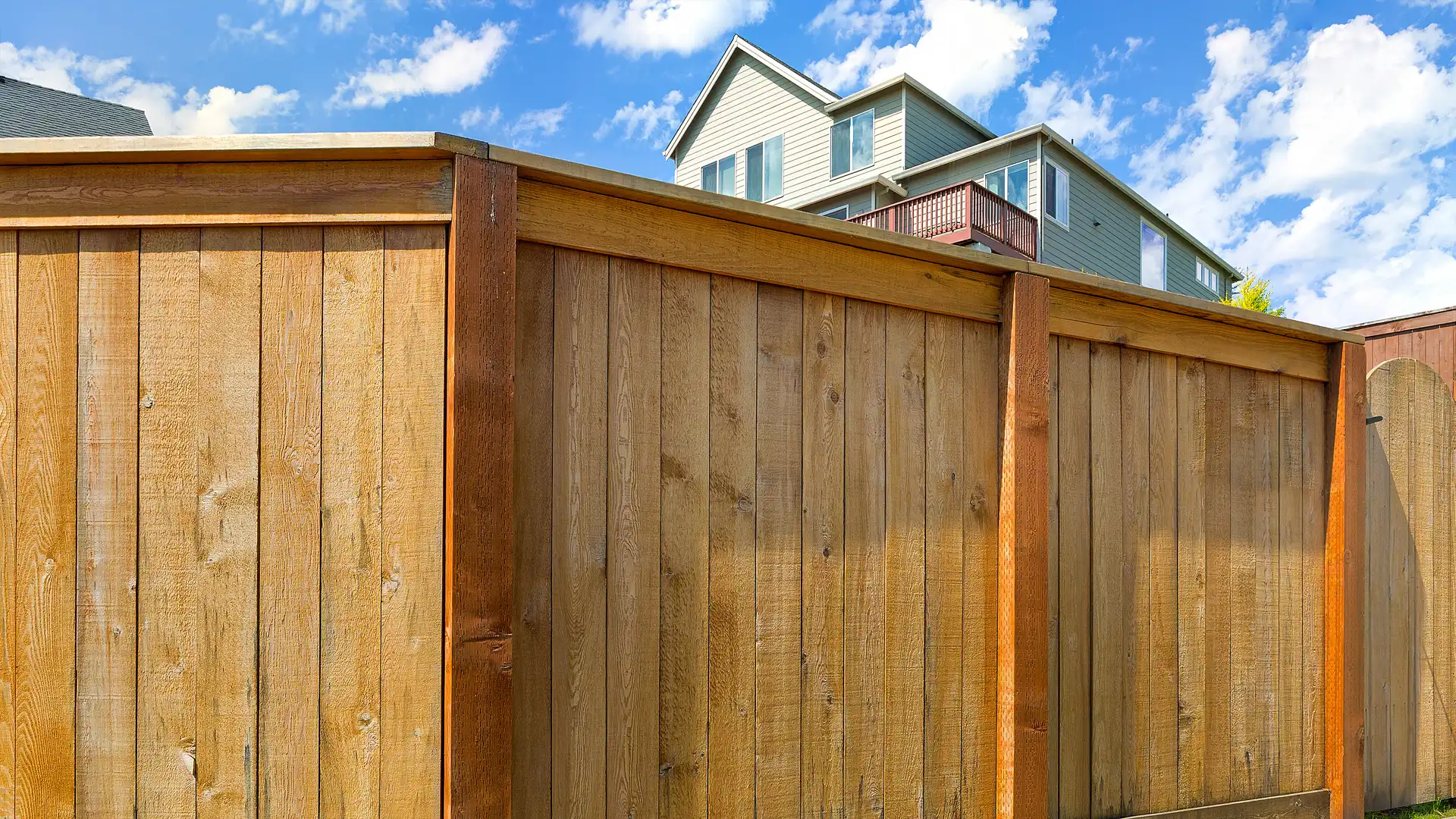
Wood privacy fencing offers a traditional appearance and excellent seclusion, while vinyl provides privacy with lower maintenance. Aluminum fencing creates a more open, decorative look and can be an attractive choice for front yards, pools, gardens, or properties where maintaining sightlines matters.
Large yards in areas such as Geist or Franklin Township may call for a different approach than compact lots in Broad Ripple or Irvington. We consider the property layout, architectural style, privacy goals, pets, children, maintenance expectations, and budget before recommending a fencing system.
Plan First and Build With Confidence
For most homeowners, installing a standard residential fence in Indianapolis does not require a traditional building or Improvement Location Permit, but zoning requirements still matter. Height, placement, property boundaries, easements, historic-district rules, HOA restrictions, and utility locations should all be considered before work begins.
Richmond Exteriors installs wood, vinyl, aluminum, and other fencing systems throughout the Indianapolis area. Schedule a fencing consultation with our team, and we can help you plan a fence that fits your property, your goals, and the local requirements that may affect your project.