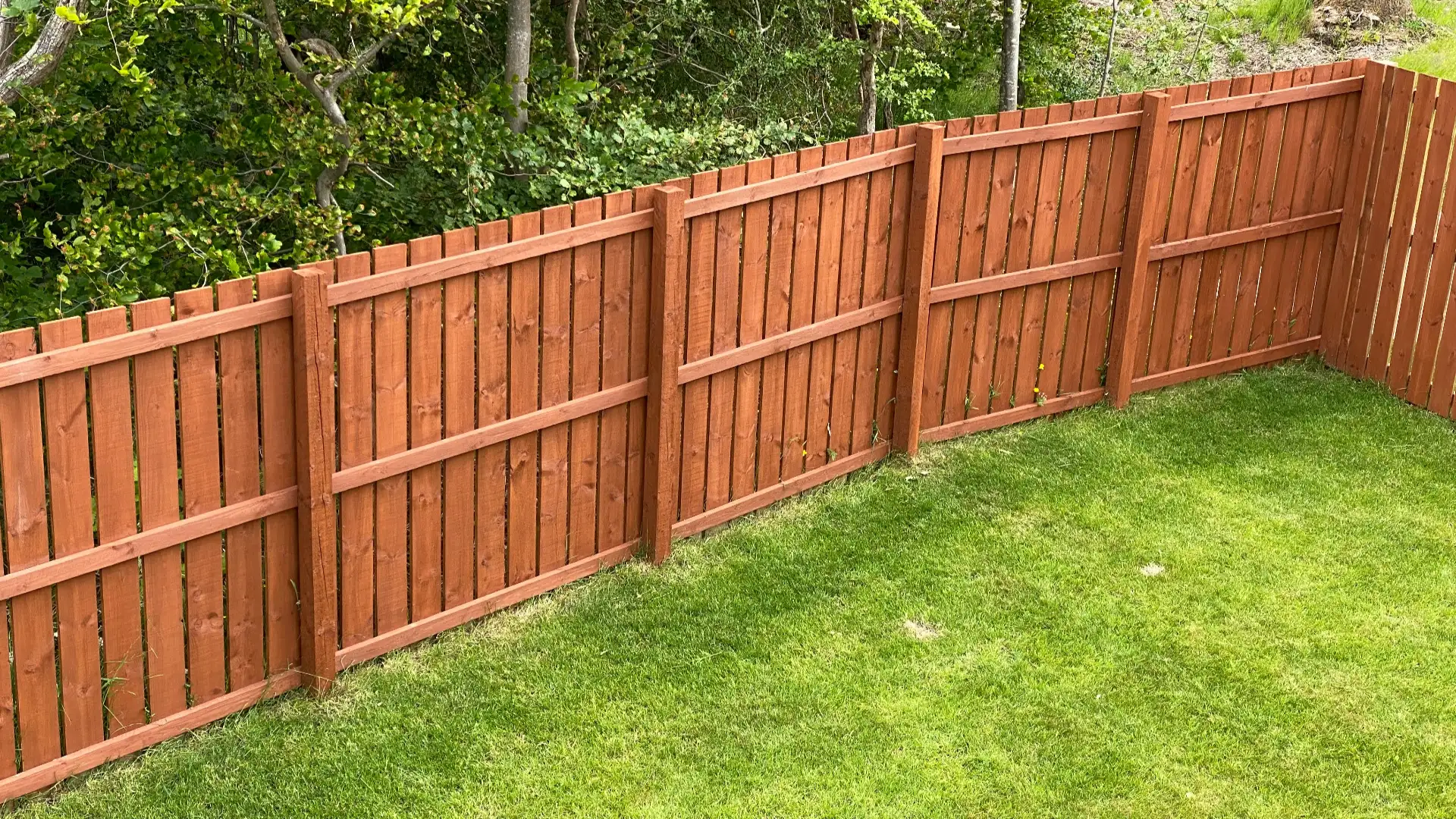
How to Prepare Your Fence for Fall Weather in Indianapolis
Fall is a smart time to take care of fence maintenance before colder weather settles into Indianapolis. At Richmond Exteriors, we know many homeowners start thinking about exterior projects when leaves begin piling up in the yard, temperatures begin dropping, and rain starts exposing weak spots around the property. Your fence may not need daily attention, but a seasonal inspection can help you catch small issues before they become bigger problems during late fall and winter.
Indianapolis weather can change quickly this time of year. Central Indiana typically sees its first fall freeze in late October, though the National Weather Service notes that freeze dates can vary widely from year to year. Fall can also bring steady rain, wind, and debris from mature trees throughout neighborhoods like Broad Ripple, Irvington, Meridian-Kessler, Butler-Tarkington, and areas near Eagle Creek. All of that can affect the way your fence looks, stands, and performs.
Start With a Full Walkaround
Before fall weather gets more demanding, walk the full length of your fence and look closely at each section. Pay attention to leaning posts, loose boards, cracked panels, rusted hardware, and gates that no longer close properly. A few minutes outside can reveal early warning signs that may be easy to miss during everyday routines.
For wood fences, press gently on boards and posts to check for softness. Soft spots may indicate moisture damage or rot. For vinyl and aluminum fences, look for cracked pieces, loose fasteners, or sections that have shifted out of alignment. Catching these issues early gives you more time to plan repairs or consider replacement before winter conditions make the work more urgent.
Clear Leaves and Debris Around the Fence Line
Indianapolis neighborhoods with mature trees can be beautiful in the fall, but leaf buildup can be hard on fencing. Leaves, twigs, and yard debris that collect along the base of a fence can trap moisture against wood boards and posts. Over time, that moisture can contribute to rot, staining, mildew, or insect activity.
Clearing debris is one of the simplest fence maintenance steps you can take. Rake leaves away from the fence line, remove branches caught between panels, and trim back plants that are holding moisture against the material. This is especially helpful for homes near wooded areas, older neighborhoods, or properties with tree cover along alleys and side yards.
Check Posts for Stability
Fence posts carry the weight of the entire system. If they shift, weaken, or begin to rot, the fence can start leaning or sagging. Fall is a good time to check post stability because heavy rain and freeze-thaw cycles can make existing problems worse.
Walk along the fence and gently push on each post. It should feel firm, not wobbly. If a post moves easily, the soil around it may be loose, the base may be deteriorating, or the footing may no longer be secure. Addressing weak posts before winter can help prevent sections from falling during strong wind or after saturated ground freezes.
Inspect Gates and Hardware
Gates see more movement than any other part of a fence, so they often show wear first. Before fall weather gets colder, open and close each gate several times. Look for sagging, dragging, sticking, or latches that no longer line up.
Cold weather can make small alignment issues more frustrating. Moisture and temperature swings can cause wood to swell, metal hardware to corrode, and already-loose hinges to shift further. Tightening hardware, adjusting hinges, or replacing worn latches can improve function before winter makes the problem worse.
Look for Wood Rot, Splitting, or Warping
Wood fencing is a popular option for privacy and curb appeal, but it needs seasonal care to perform well. Indianapolis fall weather can bring rain, damp leaves, and cooler temperatures, all of which can expose existing wood damage.
Look for boards that are splitting, cupping, warping, or pulling away from the rails. Check the bottom of boards carefully, since this area often absorbs moisture from wet grass, leaves, and soil. If only a few boards are damaged, repair may be enough. If the damage is widespread, fence replacement may be the better long-term option.
Clean the Fence Before Winter
A clean fence is easier to inspect and better prepared for colder weather. Dirt, mildew, algae, and debris can hide damage and hold moisture against the surface. Fall is a good time to wash away buildup before freezing temperatures arrive.
For vinyl fencing, a gentle cleaning solution and hose may be enough. For wood fencing, avoid overly aggressive pressure washing that can damage the surface. The goal is to remove dirt and organic buildup without weakening the material. Once the fence is clean, you can more easily see whether additional repair, sealing, or replacement is needed.
Consider Sealing or Staining Wood Fencing
If your wood fence is still structurally sound, sealing or staining can help protect it from moisture. Fall can be a good time for this step, as long as temperatures and weather conditions are suitable for the product being used.
A quality stain or sealant helps reduce water absorption and adds a layer of protection before winter rain, snow, and freeze-thaw cycles arrive. If the fence has not been treated in several years, it may be more vulnerable to cracking, warping, and rot. Preparing the surface properly is important, so make sure the fence is clean and dry before applying any finish.
Trim Nearby Trees and Shrubs
Branches that hang over or press against fencing can create problems during fall storms. Strong winds can snap limbs, scrape panels, or knock sections loose. Shrubs and vines can also hold moisture against the fence and make it harder to spot damage.
Trim back vegetation before leaves fully drop. This can reduce debris, improve airflow, and help the fence dry more quickly after rain. For homes in areas with mature canopy cover, including parts of Irvington, Meridian-Kessler, and Broad Ripple, this step can make seasonal maintenance much easier.
Decide Whether Repairs Are Still Worth It
Sometimes fall maintenance reveals that a fence is nearing the end of its life. If posts are rotting, panels are leaning, gates no longer function, or repairs have become frequent, replacement may make more sense than another temporary fix.
At Richmond Exteriors, we help homeowners look at the full picture. A fence should provide privacy, security, and curb appeal without becoming a constant source of maintenance. If your current fence no longer does that, we can help you compare replacement options that fit your property and budget.
Plan Fence Work Before Winter Problems Grow
Fall gives Indianapolis homeowners a valuable window to address exterior issues before colder weather makes them harder to ignore. Taking care of fence maintenance now can help protect your property, improve safety, and extend the life of your fence.
Richmond Exteriors installs and replaces fencing for homeowners throughout the Indianapolis area. Schedule a fence evaluation with our team this fall and head into winter knowing your yard is better prepared.