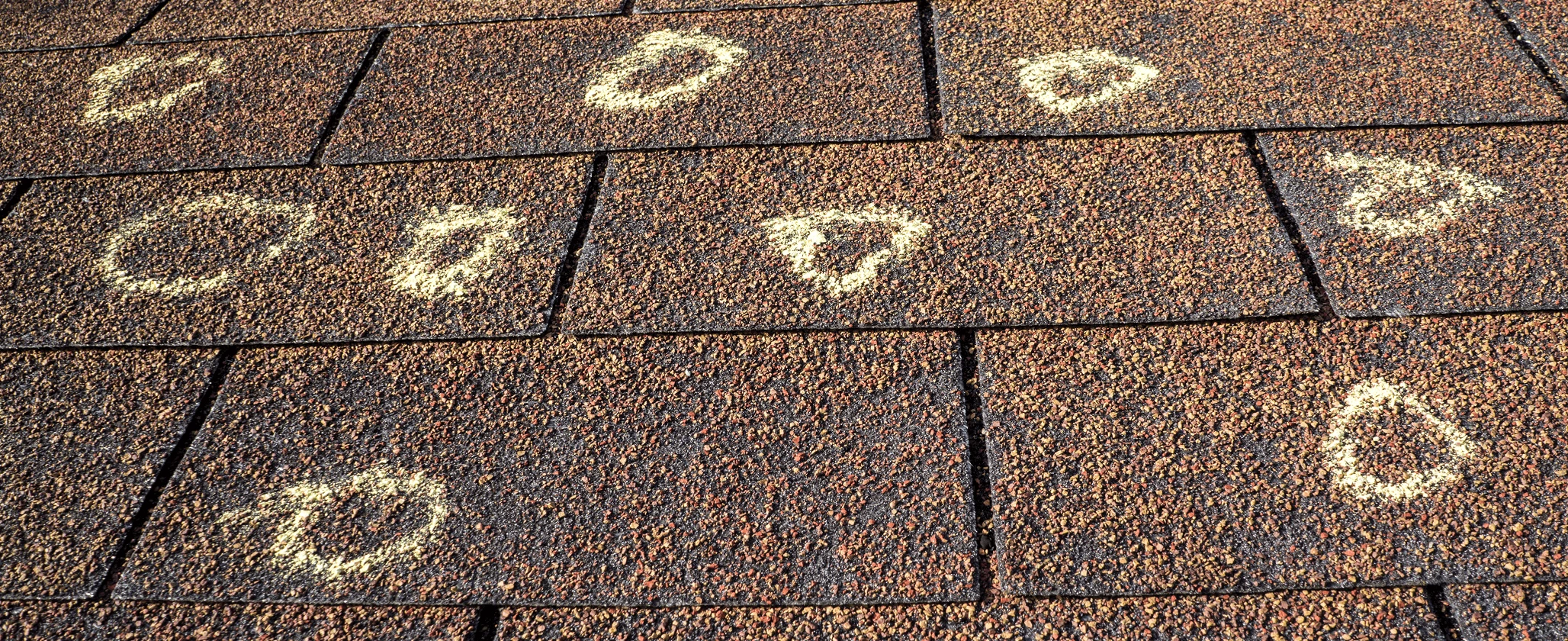
Emergency Roof Repairs After Hail Damage
Hailstorms can cause sudden and severe damage to your roof, leaving your home vulnerable to leaks and further deterioration. In Beech Grove, where weather can be unpredictable, knowing how to handle emergency roof repairs effectively can make a significant difference in minimizing damage.

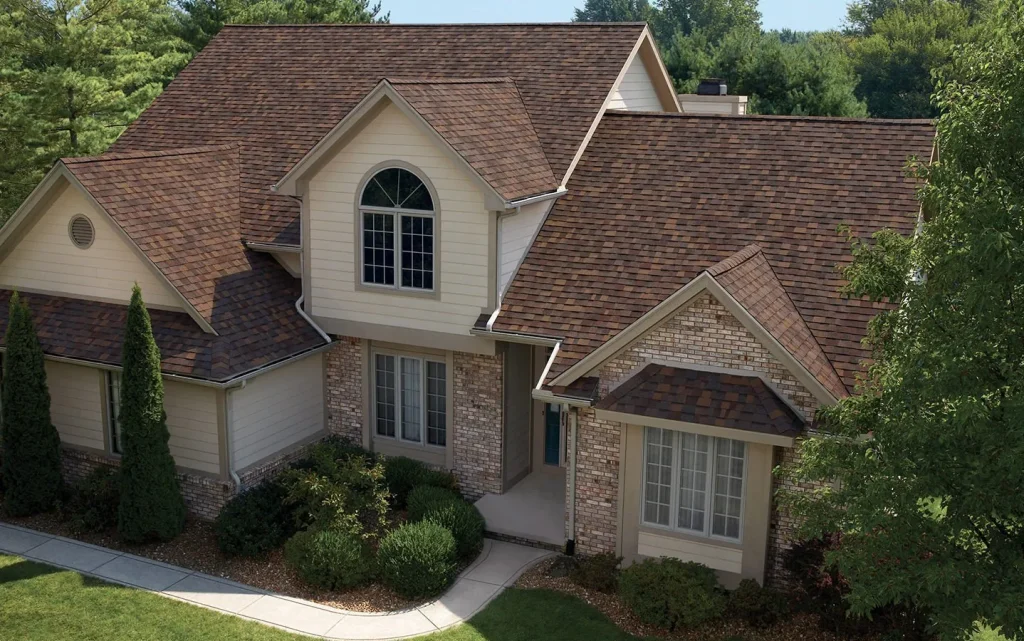
Here‚s a guide to temporary fixes you can implement immediately after a hailstorm to protect your home until professional repairs can be made.
1. Cover Exposed Areas with Tarps
One of the first steps in emergency roof repairs is to cover any exposed areas with tarps. After a hailstorm, you may find missing shingles or visible damage to your roof. To prevent water from infiltrating your home, carefully place a tarp over the damaged section. Secure the tarp with roofing nails or heavy objects like bricks to ensure it stays in place. This temporary cover will help keep rain and debris out of your home while you wait for professional repairs.
- Remove Debris from the Roof
After a hailstorm, your roof may be littered with debris such as broken branches, leaves, or hailstones. Removing this debris is crucial to prevent further damage and ensure that the temporary fixes you have applied remain effective. Use a broom or a leaf blower to gently clear the debris, taking care not to cause additional damage to the roof. This will help prevent blockages in the gutters and downspouts, which can lead to additional water damage.
- Check for and Seal Leaks
Inspect your attic and ceilings for signs of leaks or water intrusion. Look for water stains, drips, or damp spots, and try to identify the source of the leak. Once you‚ve located the leak, use roofing sealant or caulk to temporarily seal the area. Apply the sealant generously around the leak and allow it to dry. While this isn‚t a permanent fix, it can help prevent water from causing further damage until a professional can assess and repair the roof.
- Secure Loose Shingles
If you notice that some shingles have been loosened or displaced by hail, try to secure them temporarily. Carefully lift the loose shingles and apply roofing adhesive or sealant underneath. Press the shingles back into place and use roofing nails to fasten them. Be cautious during this process to avoid causing additional damage. This temporary fix helps prevent wind and rain from exacerbating the damage while you wait for a professional assessment.
- Inspect and Clear Gutters and Downspouts
Hail can cause debris to accumulate in your gutters and downspouts, leading to potential blockages that can result in water overflow and further damage. Inspect your gutters for any debris or damage and clear them out to ensure proper drainage. Use gloves and a scoop or small trowel to remove debris, and check that downspouts are directing water away from your home‚s foundation. Properly functioning gutters and downspouts help reduce the risk of water damage and ensure that temporary fixes remain effective.

Taking immediate action after a hailstorm can help protect your home and prevent further damage until professional repairs can be made. By covering exposed areas, removing debris, sealing leaks, securing loose shingles, and clearing gutters, you can safeguard your home and maintain its integrity.
If you need assistance with emergency roof repairs or a professional assessment, call Richmond Exteriors at (317) 784-1214 for a free quote. Our team can provide the support you need to address roof damage effectively.
In summary, implementing these temporary fixes after hail damage can help protect your home and minimize damage. Prompt action and careful attention to detail are key to managing emergency repairs until professional help can arrive.