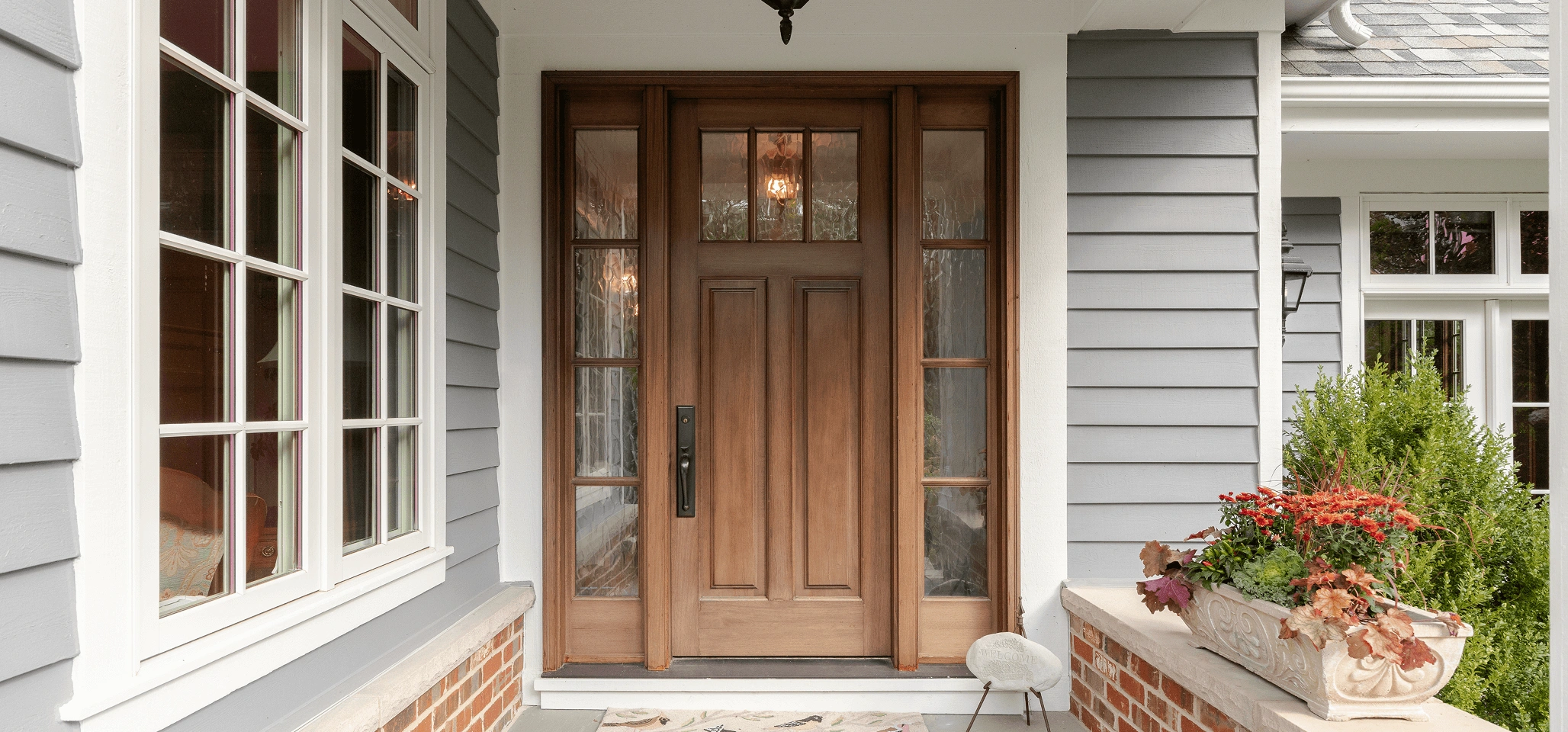
Doors and Accessibility: Creating a Welcoming Home in Maxwell
Creating a welcoming and accessible home is essential for ensuring that everyone, including guests with mobility challenges, can enjoy your space comfortably. In Maxwell, where community and inclusivity are valued, focusing on door accessibility not only enhances the functionality of your home but also its overall charm. Here are five key strategies to consider when selecting and installing doors to improve accessibility and create a more inviting environment.
- Opt for Wider Doorways
One of the most effective ways to improve accessibility is to install wider doorways. Standard door widths can be restrictive for individuals using wheelchairs, walkers, or other mobility aids. By opting for doorways that are at least 36 inches wide, you ensure that everyone can move through easily without obstruction. In Maxwell, where homes range from classic to contemporary designs, wide doorways can seamlessly blend with your existing architecture while significantly enhancing accessibility.
- Choose Accessible Door Hardware
The type of door hardware you select can greatly impact accessibility. Lever handles are a more accessible choice compared to traditional doorknobs, as they are easier to operate for individuals with limited hand strength or dexterity. Additionally, consider installing hardware at lower heights for ease of use. Lever handles are not only practical but can also be stylish, offering both functionality and aesthetic appeal for your Maxwell home.
- Install Automatic or Sliding Doors
Automatic and sliding doors offer a modern solution to enhance accessibility. Automatic doors, which open with the push of a button or via a motion sensor, can be particularly useful in entryways, allowing for hands-free access. Sliding doors, on the other hand, require less space to operate and are ideal for areas where swinging doors might be impractical. In Maxwell, where space and convenience are key, these door options can make your home more accessible and user-friendly.
- Ensure Smooth Threshold Transitions
Thresholds between rooms or from outside to inside should be smooth and level to prevent tripping hazards and facilitate easy movement for wheelchairs and other mobility aids. High thresholds can be difficult to navigate, so it’s important to ensure that your doors and their thresholds are designed with accessibility in mind. Consider installing ramped or flush thresholds to provide a seamless transition from one area to another, enhancing both safety and comfort in your Maxwell home.
- Integrate Good Lighting Around Doors
Proper lighting around doors is essential for both safety and accessibility. Well-lit entryways and hallways make it easier to navigate and identify doorways, reducing the risk of accidents. Consider installing motion-sensor lights or additional fixtures around doors to ensure that they are always well-lit, especially during evening or low-light conditions. In Maxwell, where natural light can vary, having reliable lighting around doors enhances visibility and accessibility for all visitors.
In summary, improving door accessibility in your home involves opting for wider doorways, choosing accessible hardware, considering automatic or sliding doors, ensuring smooth threshold transitions, and integrating good lighting. By implementing these strategies, you create a welcoming and functional environment that accommodates the needs of all visitors and residents.
When you’re ready to enhance your home’s accessibility and need expert advice, call Richmond Exteriors at (317) 784-1214 for a free quote. Discover how professional help can assist you in creating a more inclusive and inviting Maxwell home for everyone.