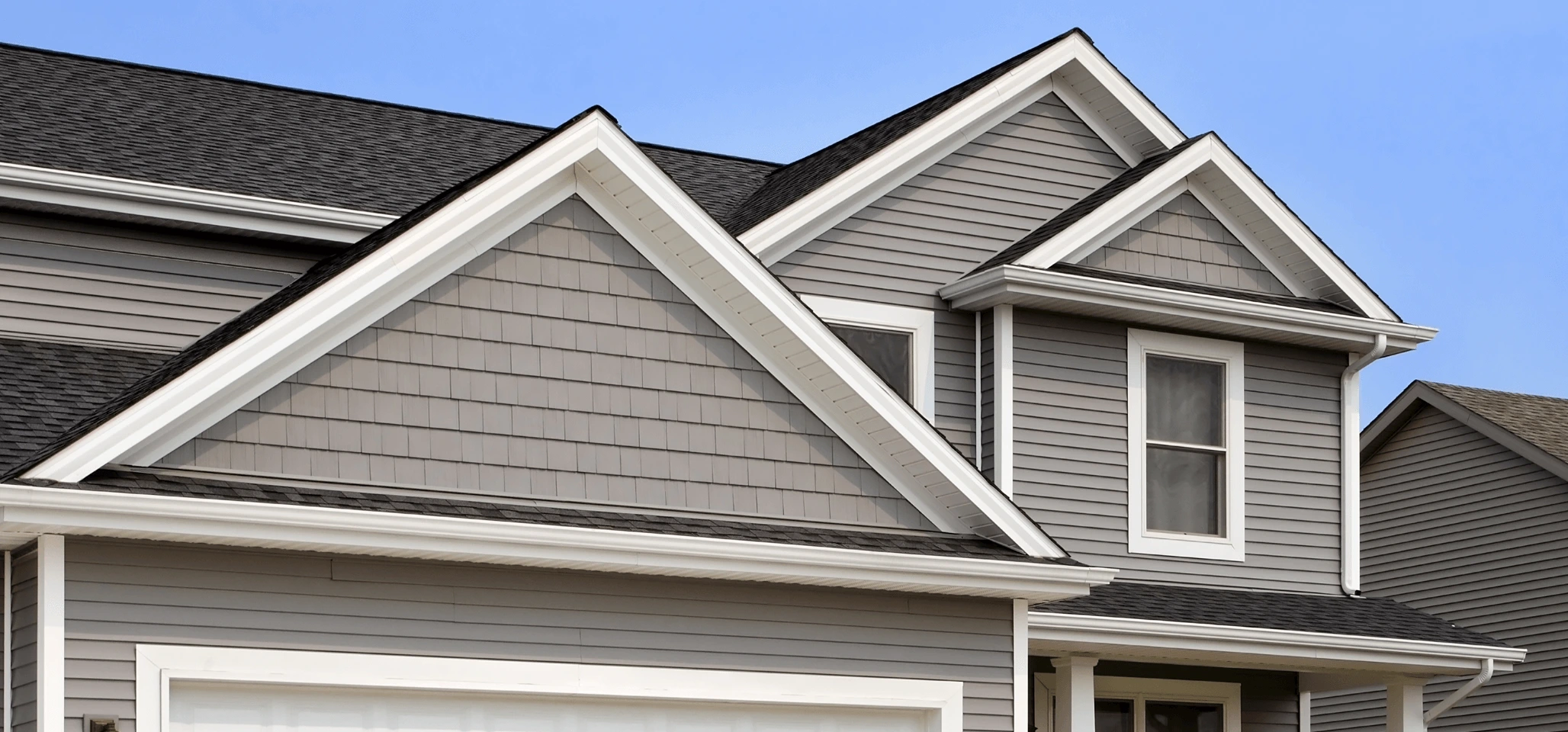
Siding Inspection: Identifying Potential Problems in Maxwell
In the picturesque community of Maxwell, TX, your home’s siding plays a crucial role in protecting it from the elements and maintaining its curb appeal. Regular siding inspections are essential to catch potential problems before they become costly repairs. Whether you’re a new homeowner or have lived in your Maxwell home for years, understanding how to inspect your siding for issues can help you preserve its beauty and functionality. Here are five key aspects to check during your siding inspection.
- Look for Cracks and Holes
One of the first signs that your siding may need attention is the appearance of cracks or holes. These issues can arise from various sources, such as severe weather, impacts from debris, or the natural aging of materials. Cracks and holes can allow moisture to penetrate behind the siding, potentially leading to mold growth and structural damage. When inspecting your siding, carefully examine each section for visible cracks or holes and address them promptly to prevent further issues.
- Check for Warping and Buckling
Warping and buckling can significantly impact the effectiveness of your siding. These issues often occur due to improper installation, exposure to extreme temperatures, or moisture problems. Warping happens when the siding material distorts or bends out of shape, while buckling refers to sections of siding that appear to be lifting away from the wall. During your inspection, look for any signs of distortion in the siding and take note of areas that seem misaligned. Addressing these problems early can help maintain the structural integrity of your home.
- Inspect for Mold and Mildew
Moisture intrusion can lead to the growth of mold and mildew on your siding, which can be both unsightly and harmful. Mold and mildew thrive in damp environments and can cause health issues and damage the siding material over time. Check for any discolored patches, streaks, or a musty odor around your siding. If you find signs of mold or mildew, it’s essential to clean the affected areas thoroughly and address any underlying moisture issues to prevent recurrence.
- Examine Caulking and Sealant
Caulking and sealant around windows, doors, and joints are crucial for keeping water out and ensuring your siding performs optimally. Over time, caulking can become brittle or crack, compromising its effectiveness. Inspect the caulking and sealant for any signs of deterioration, such as cracking, peeling, or missing sections. Reapplying or repairing caulking as needed helps maintain a watertight seal and protects your home from moisture damage.
- Assess the Condition of Fasteners and Panels
Loose or damaged fasteners can cause siding panels to become detached or misaligned. Regularly check the condition of screws, nails, or other fasteners holding your siding in place. Additionally, inspect the panels themselves for any signs of damage or wear. Secure any loose panels and replace any that are damaged to ensure that your siding remains effective in shielding your home from the elements.
In summary, a thorough siding inspection involves checking for cracks and holes, looking for warping and buckling, inspecting for mold and mildew, examining caulking and sealant, and assessing the condition of fasteners and panels. By staying vigilant and addressing these potential issues, you can keep your Maxwell home’s siding in excellent condition.
If you’re ready to schedule a professional siding inspection or need assistance with repairs, call Richmond Exteriors at (317) 784-1214 for a free quote. Our expert help ensures that your siding continues to protect and enhance your home, keeping it beautiful and functional for years to come.